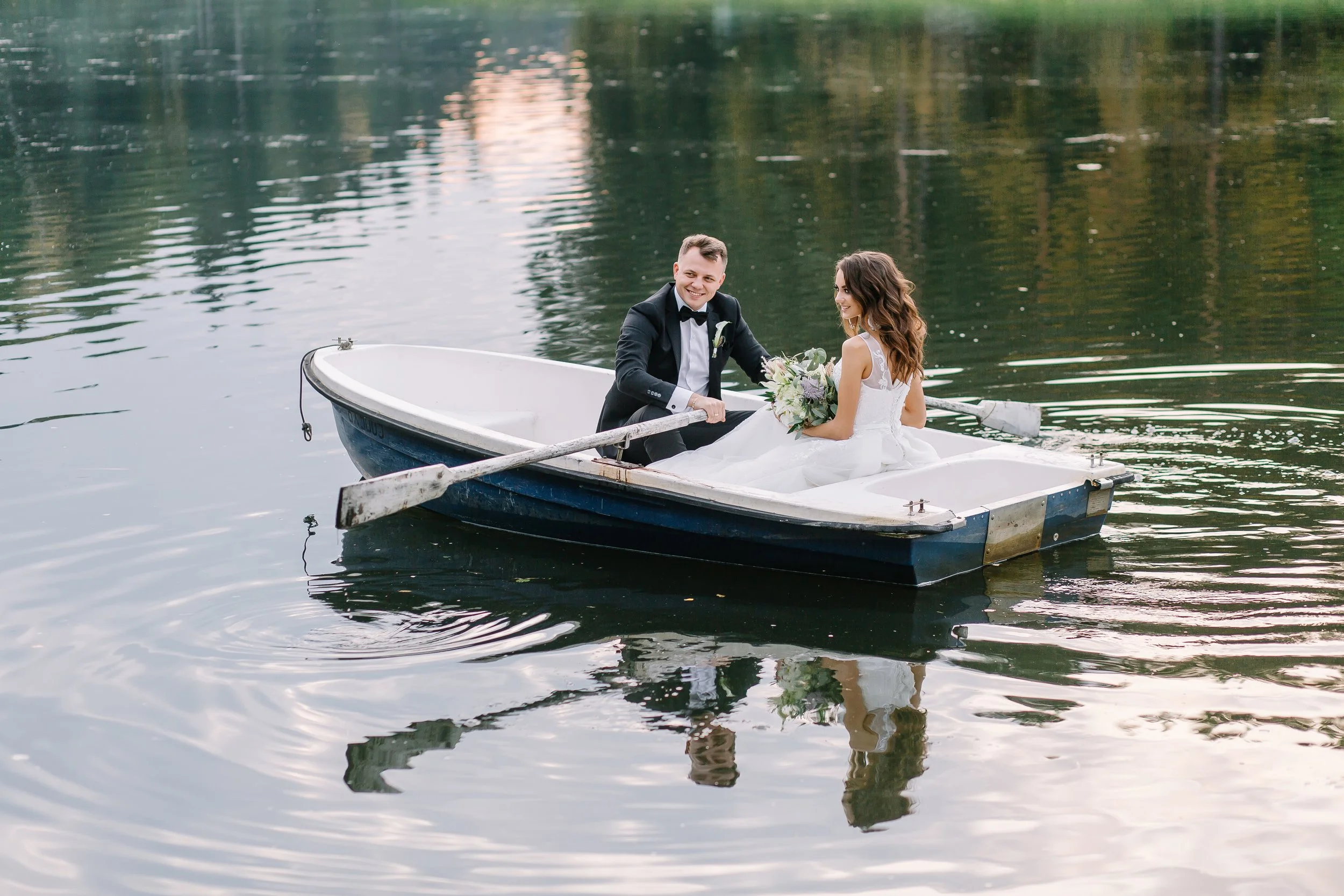
Planning a Wedding With Space to Breathe
There is a difference between a well-planned wedding and a well-held one.
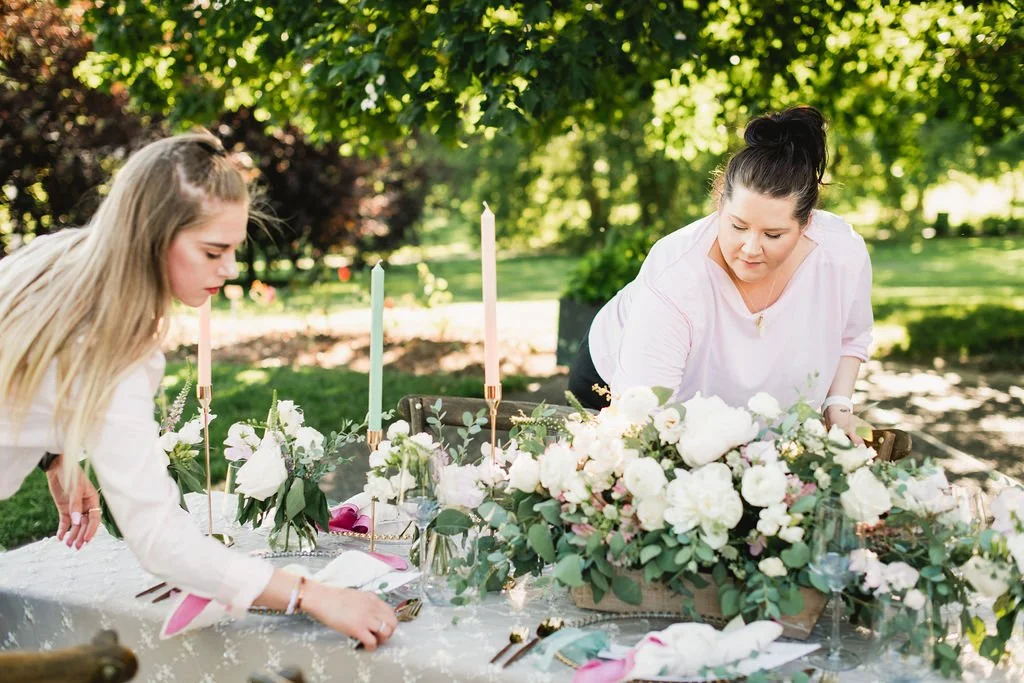
Many couples begin planning with excitement, only to find themselves overwhelmed by decisions, timelines, and expectations that seem to multiply overnight. Somewhere along the way, a day meant to celebrate connection starts to feel crowded.
Planning a wedding with space to breathe is an intentional choice. It means designing not just how the day looks - but how it feels to move through it.
What “space” really means in wedding planning
Space doesn’t mean less beauty or fewer details.
It means room for presence.
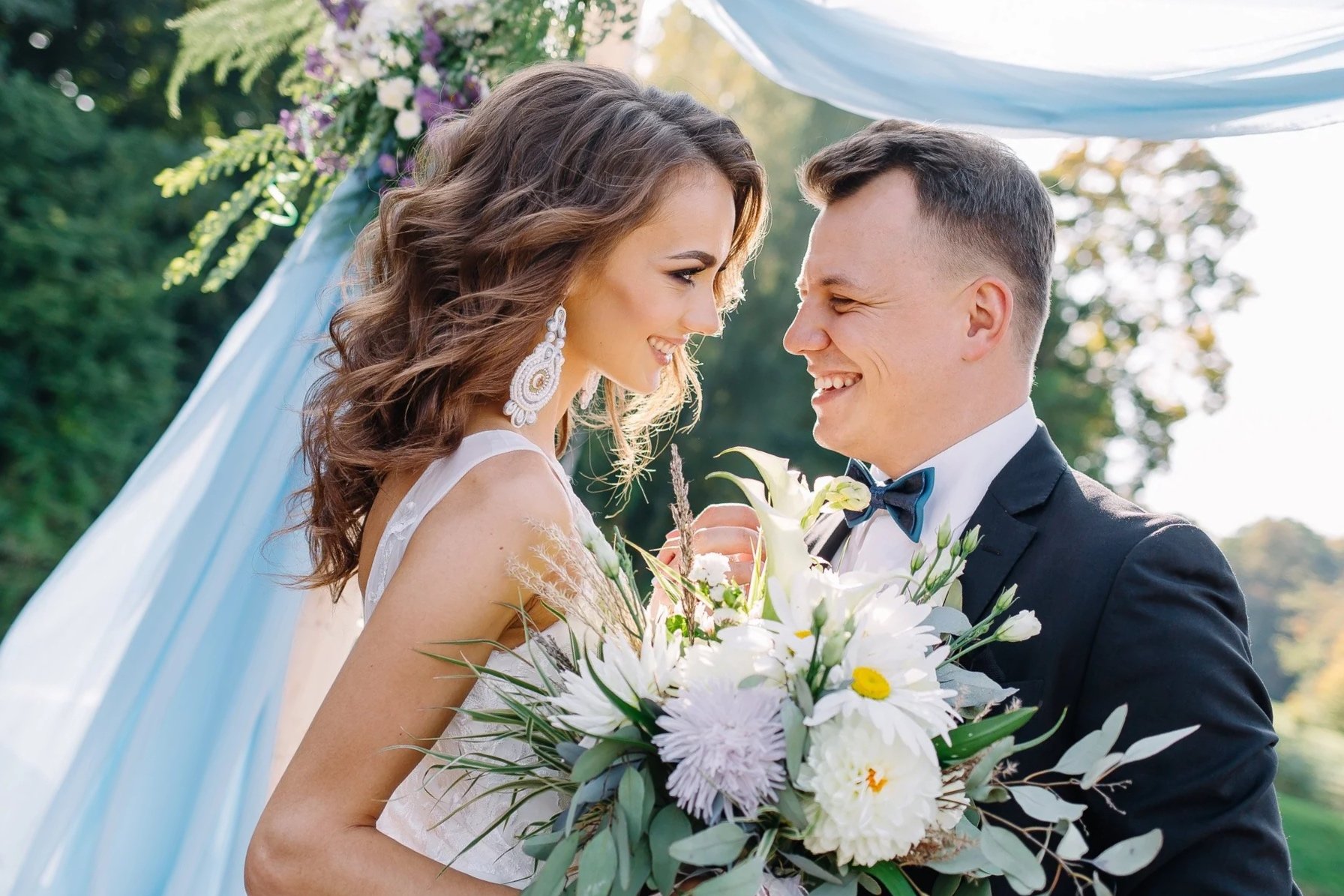
Space looks like:
a timeline that allows moments to unfold naturally
transitions that are not rushed or compressed
design choices that feel cohesive and meaningful
more eye-contact, less posing
emotional breathing room for couples to stay present
When space is built into a wedding day, couples don’t feel like they’re catching up to the moment — they’re living in it. (ya know, in real life)
A calmer timeline creates richer experiences
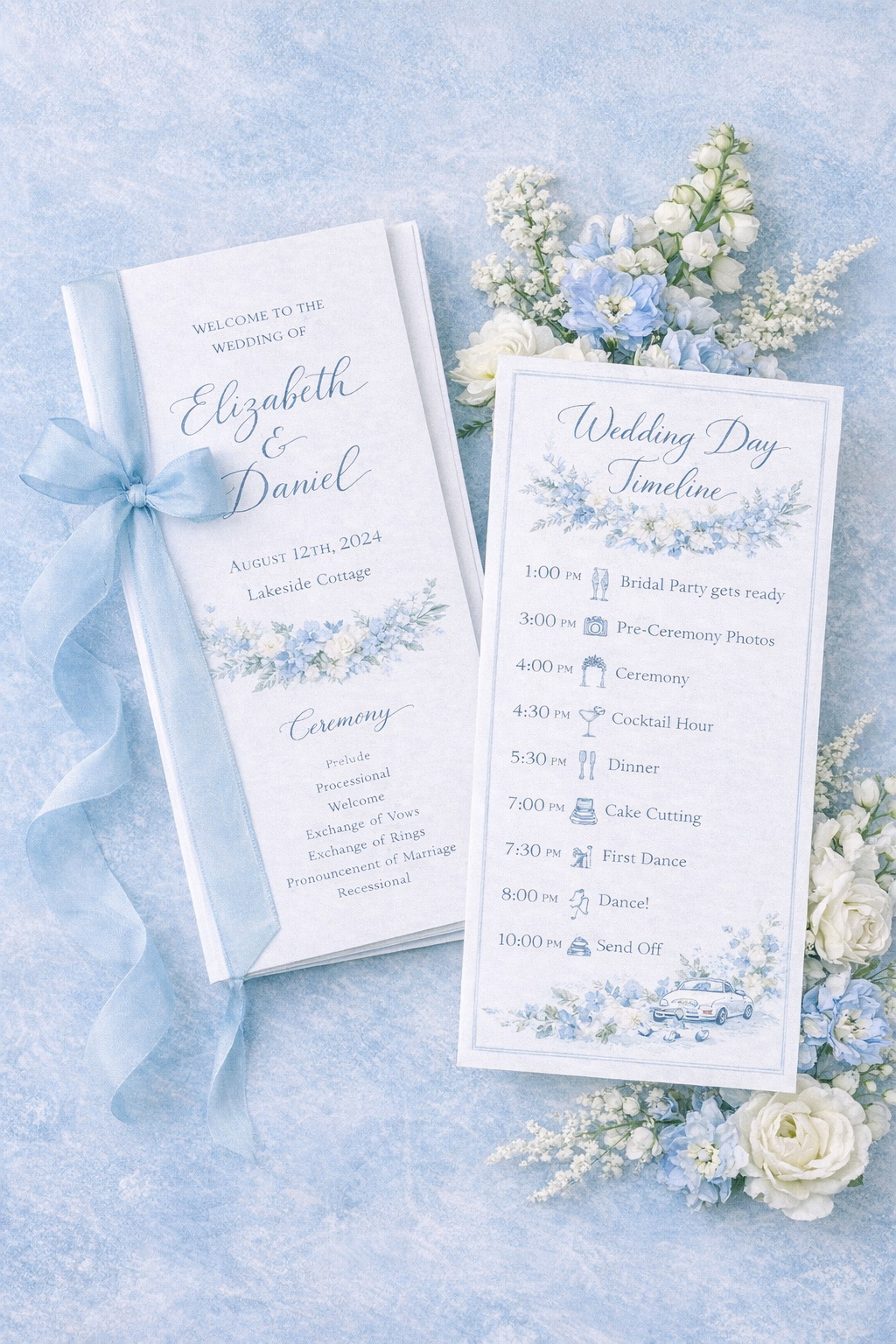
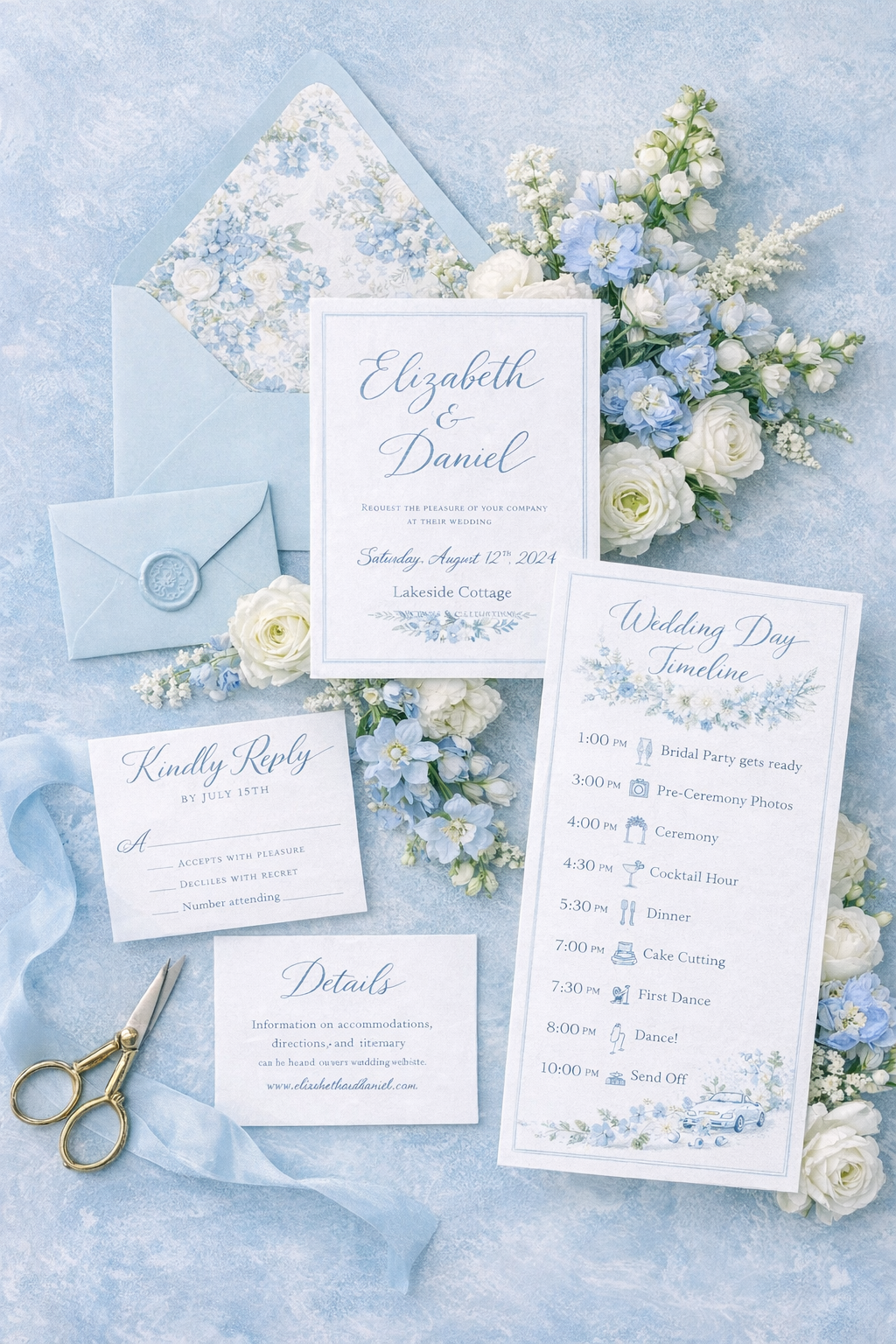
One of the most impactful places to create space is within the timeline.
A thoughtfully paced day allows:
time to arrive emotionally before the ceremony
moments of connection without interruption
flexibility when “in real life” inevitably happens
a sense of ease rather than performance
memories that are so special - that couldn’t be planned (hello, big brother needing a Kleenex)
When the day isn’t over-scheduled, couples experience less stress and more meaning. The focus shifts from “what’s next?” to “this is happening right now.”
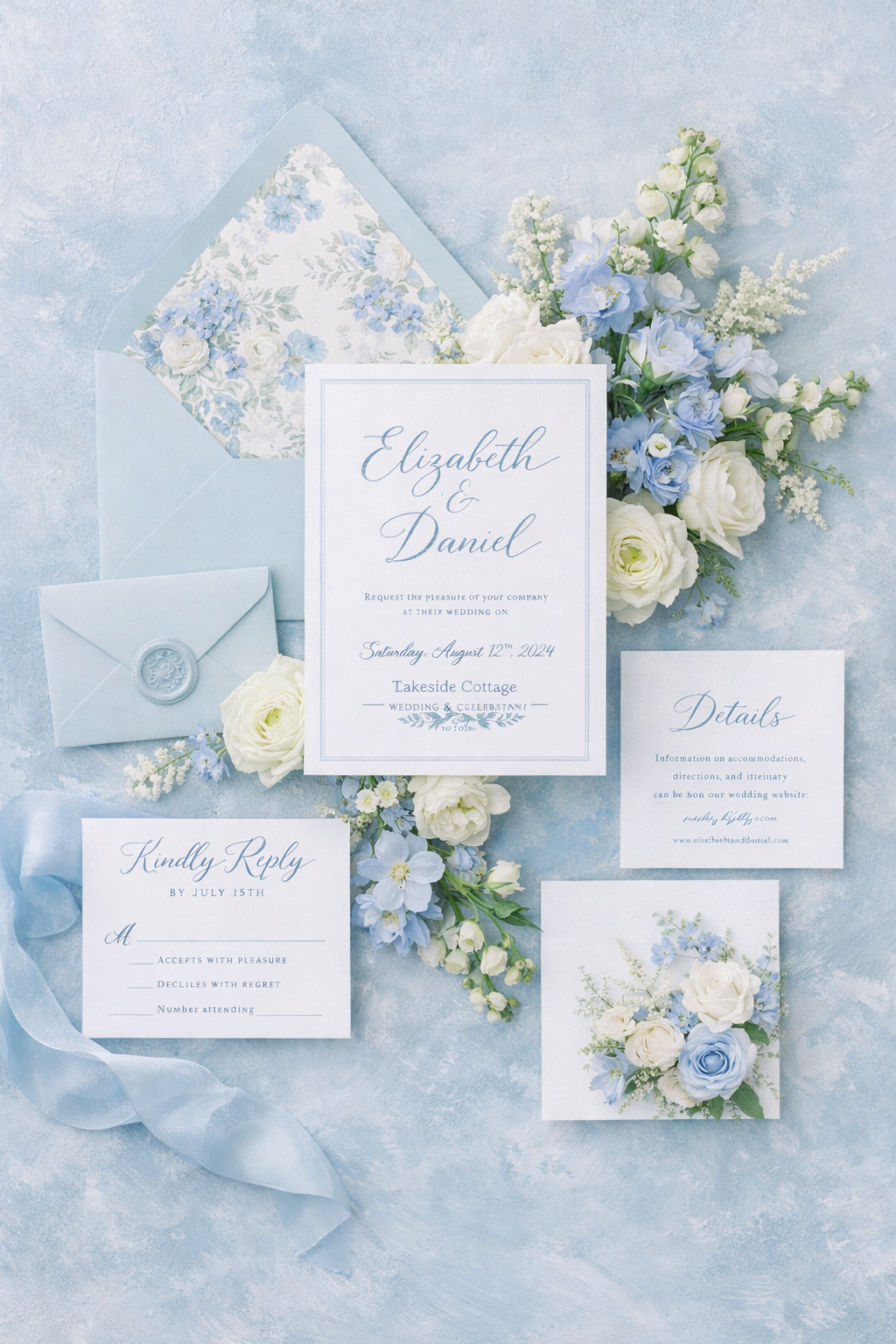
Design that supports calm, not clutter
Visual design can either contribute to overwhelm or support a sense of grounding.
Intentional wedding design favors:
fewer, more meaningful focal points
a clear flow from ceremony to reception
palettes and textures that feel natural and cohesive
florals that enhance the space rather than compete with it
experiences at every touchpoint thought-out
When design choices are made with intent and care, the environment itself becomes calming — inviting guests to settle in rather than rush through.
Emotional space matters, more than couples may realize
Space isn’t only physical or visual. It’s emotional.
Couples often carry pressure:
to please everyone
follow traditions exactly
make the day “perfect”
Planning with space to breathe means releasing some of that weight. It allows couples to prioritize what truly matters to them & their story, trusting that meaning is created through presence, not perfection.
The most memorable wedding days are not flawless — they are felt.
The quiet power of intentional planning
When space is honored, something subtle but powerful happens.
Couples feel:
more grounded
more connected to each other
more open to the moments they didn’t plan
more at ease being fully present
This is what intentional planning makes possible — a wedding day that doesn’t rush past, but unfolds gently, leaving room for memory, emotion, and real joy.
At the end of the day; you’ll say “the day just flies by” - no matter how you plan your day; what remains is the memories you make and the moments you share as the day flew by you.
Let your day unfold with intention. Plan for the moments that matter, and leave space for the ones that simply happen.
With love & intention, Cass